
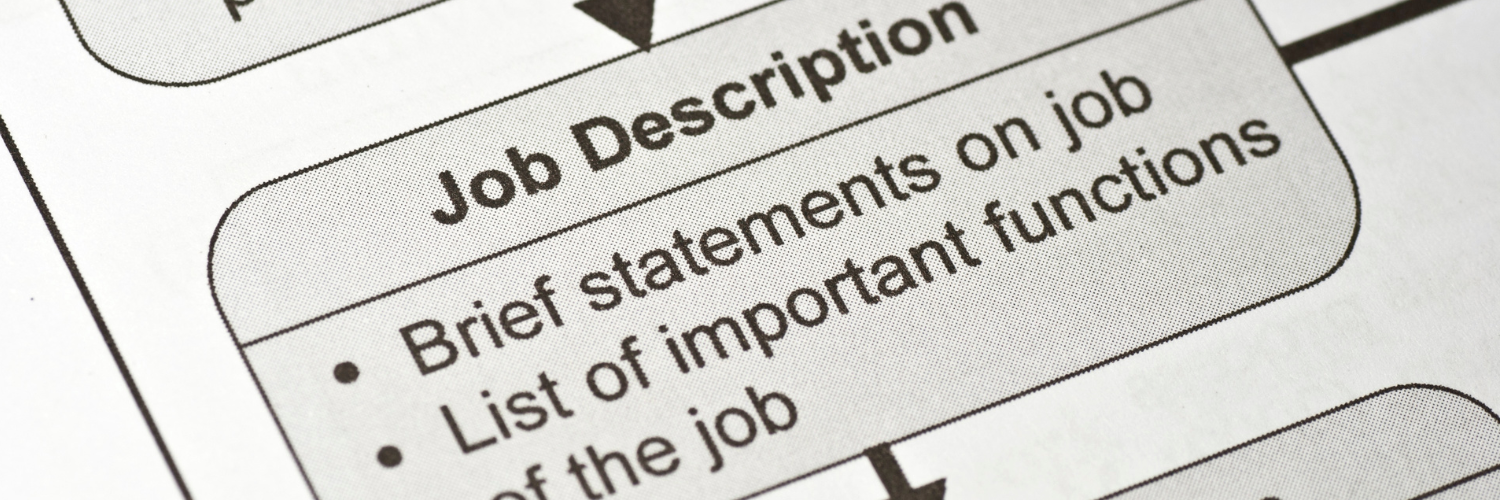
One of the more common themes at the moment is how difficult it’s becoming to properly define a role before going to market. On paper, it should be straightforward. You know what the business needs, you map that out, and then you look for someone who fits.
However, it’s not playing out like that as often.
A lot of roles are being shaped by a mix of changing priorities, leaner team structures, and ongoing pressure to improve efficiency. What a business needed 12 months ago isn’t always the same as what it needs now, but the role itself hasn’t always been rethought in line with that. Instead, it often evolves slightly, picking up additional responsibilities without a clear reset.
That creates briefs that look clear at a glance but are harder to execute in practice. Expectations sit across multiple areas, and there isn’t always alignment internally on what matters most. Some stakeholders are focused on experience, others on adaptability, others on immediate impact.
From the outside, it can look like a typical hire. From the inside, it’s more complex than that.
The result is that hiring processes can slow down, not because there’s a lack of candidates, but because there isn’t a single, clearly defined version of what “right” looks like. Decisions become more cautious, comparisons become harder, and roles can drift while the business tries to reconcile what it actually needs.
It’s a subtle shift, but one that’s coming up more frequently. The challenge isn’t always finding people, it’s being clear on what you’re asking them to step into.